


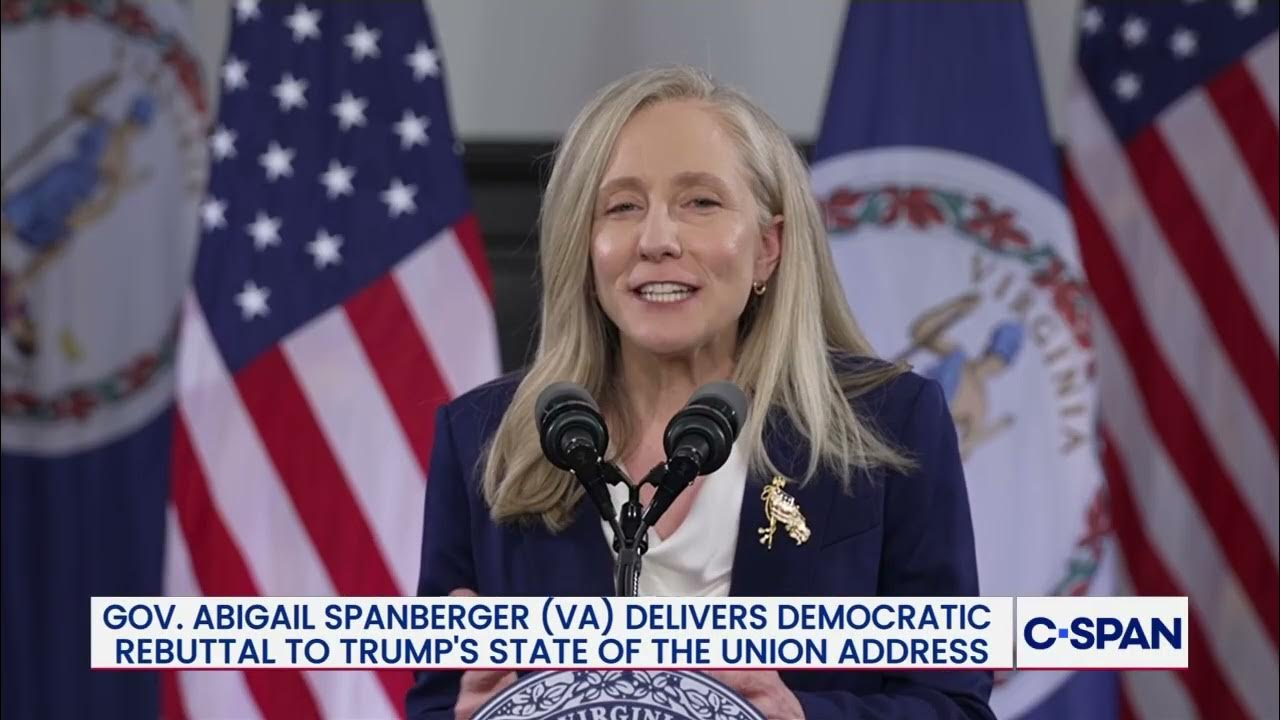
Virginia Governor Abigail Spanberger is in the hot seat just weeks into her tenure. Clashing with the Department of Homeland Security (DHS) and Immigration and Customs Enforcement (ICE), Spanberger’s recent policy demands ICE obtain judicial warrants before detaining illegal immigrants accused of serious crimes. This decision has ignited a storm of opposition.
Her policy came into sharp focus with the case of Abdul Jalloh, an illegal immigrant accused of murdering Stephanie Minter at a Fairfax County bus stop. Spanberger’s refusal to honor ICE detainers without a warrant has left DHS and ICE leaders fuming, arguing the requirement is both unnecessary and endangers public safety.
A Bad Decision
Spanberger, citing her experience as a former federal law enforcement officer, insists that deportations, especially of violent criminals, should happen only through the proper judicial process. While this stance aims to protect civil liberties, critics argue it prioritizes legal formalities over citizen safety, because it does.
Widespread Backlash
The criticism has come thick and fast from all corners. DHS labeled her move “asinine.” Even within her party, voices like Michael LaRosa, former spokesman for First Lady Jill Biden, blasted her position as “backwards” and “tone-deaf.” He admires Spanberger but believes her stance fuels a concerning narrative about the Democratic Party.
With over 40 charges previously dropped against Jalloh, Spanberger’s insistence on warrants seems like a risky adherence to procedure. For many, it’s a case of bureaucracy obstructing swift justice.
Defending Her Ground
Spanberger argues that judicial warrants ensure law enforcement accountability and adherence to due process, but offers no legal basis for that opinion. Her supporters believe she’s championing civil liberties in the age of politicized immigration policy. Yet, in the public eye, she risks appearing more committed to process than justice.
The Other Side: Judicial Oversight Argument
Supporters of Spanberger’s approach argue that judicial oversight is essential to preventing potential abuses by authorities. Michael LaRosa, however, insists she should swiftly communicate her rationale, as her current stance could be “disqualifying for any future 2028 VP vetting.” The tension between protecting civil liberties and ensuring public safety is palpable.
When community safety hangs in the balance, the call for checks and balances can ring hollow.
Conclusion: Finding Balance
Spanberger must reconsider how her policies balance civil rights with community safety. Working with ICE to create a fair yet effective approach would benefit both her administration and Virginia’s residents.
In governing, ensuring public safety while upholding values is essential. Spanberger needs more than strong rhetoric, she needs tangible solutions. The call from constituents is clear: prioritize protection while respecting principles.