Kansas was not supposed to be one of the most important Senate battlegrounds of 2026.
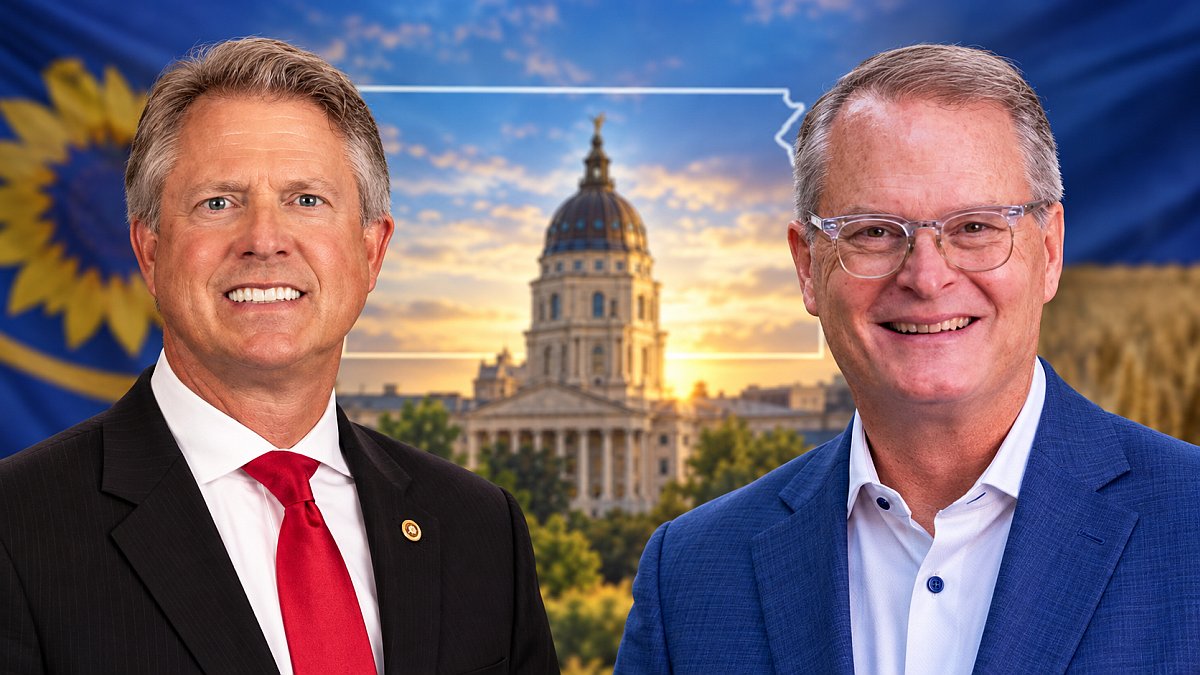
Donald Trump carried the state by 16.2 points two years ago, and Democrats have not elected a U.S. senator there since 1932. But with fewer than three weeks until Election Day, Republican Sen. Roger Marshall and Democrat Adam Hamilton are effectively tied, and both parties are suddenly pouring money and manpower into the state.
The latest RealClearPolling average has the race dead even at 45.8% apiece. Individual polls have been bouncing back and forth by only a few points.
InsiderAdvantage (Oct. 9-10)
Hamilton (D) 48%
Marshall (R) 47%
YouGov (Sept. 24-Oct. 4)
Hamilton (D) 48%
Marshall (R) 45%
New York Times/Siena (Sept. 22-Oct. 1)
Marshall (R) 47%
Hamilton (D) 46%
Trafalgar Group (Sept. 29-Oct. 1)
Marshall (R) 44%
Hamilton (D) 44%
Emerson (Sept. 15-16)
Hamilton (D) 45%
Marshall (R) 43%
co/efficient (Sept. 8-10)
Marshall (R) 49%
Hamilton (D) 44%
RealClearPolling currently rates the race a toss-up. That alone is remarkable in a state where Trump won by more than 16 points and where Republicans have held both Senate seats for decades.
Now the Money Is Pouring In
The clearest sign that both parties are taking Kansas seriously is the sudden rush of outside spending.
The Senate Leadership Fund, the main super PAC aligned with Senate Republican leadership, shifted money away from North Carolina and into Kansas as the race tightened. The Associated Press reported last week that SLF was initially moving $8.2 million into the state, and Axios later reported that the group’s Kansas commitment had grown to $14 million.
Republicans are not stopping there. Club for Growth and Americans for Prosperity Action are also spending in the race, while the GOP has brought in veteran Trump strategist Chris Grant to help Marshall during the final weeks. Axios described the move as another sign of growing Republican concern over a seat that was never expected to become this competitive.
Democrats are answering with money of their own. Senate Majority PAC, the main Democratic Senate super PAC, announced a $5 million Kansas advertising campaign after concluding that the race had become a real opportunity. The Washington Post also reported that the group decided to invest after seeing the contest continue to tighten.
That spending comes on top of millions already being spent by other Democratic-aligned groups opposing Marshall and supporting Hamilton.
How Did Kansas Get Here?
Part of the answer is the national environment. Republicans are defending a much broader Senate map than they expected, with competitive races stretching from Texas and Iowa to Alaska and South Carolina.
But Kansas also has a candidate-specific dynamic.
Marshall has faced a series of damaging stories, including reporting that his former medical practice sued more than 700 patients over unpaid bills. Axios reported that Republican strategists see the issue as one of several problems complicating his reelection campaign.
Hamilton, meanwhile, is not a typical Kansas Democratic nominee. He is the founding pastor of the Church of the Resurrection, the largest United Methodist congregation in the country, and has spent decades building relationships in the Kansas City suburbs where Democrats need to perform well.
He has also won endorsements from former Republican governors Mike Hayden and Bill Graves. The Washington Post reported that Graves said concerns about the direction of the Republican Party and Hamilton’s long community ties helped persuade him to cross party lines.
Trump is now getting involved directly. The president posted a lengthy defense of Marshall this week and said he plans to hold a “Kansas Style Rally” for the senator soon, although no date or location has been announced.
Both Sides Are Acting Like Kansas Matters
The most important thing about the Kansas race may not be any single poll.
It is the behavior of the campaigns.
Republicans are moving millions into the state, bringing in a top Trump operative and preparing for presidential involvement. Democrats are answering with a $5 million ad buy of their own and treating Hamilton as a legitimate pickup opportunity.
That does not mean Kansas has suddenly become a blue state. It does mean that neither party is willing to assume the state’s usual Republican lean will settle this race on its own.
For now, Kansas has become one of the strangest battlegrounds on the entire Senate map.
Follow the latest numbers on our 2026 Senate polls page and visit our 2026 Senate elections guide for more races around the country.