
Sometimes politicians make their opponent’s argument for them.
New York City Mayor Zohran Mamdani just did exactly that.
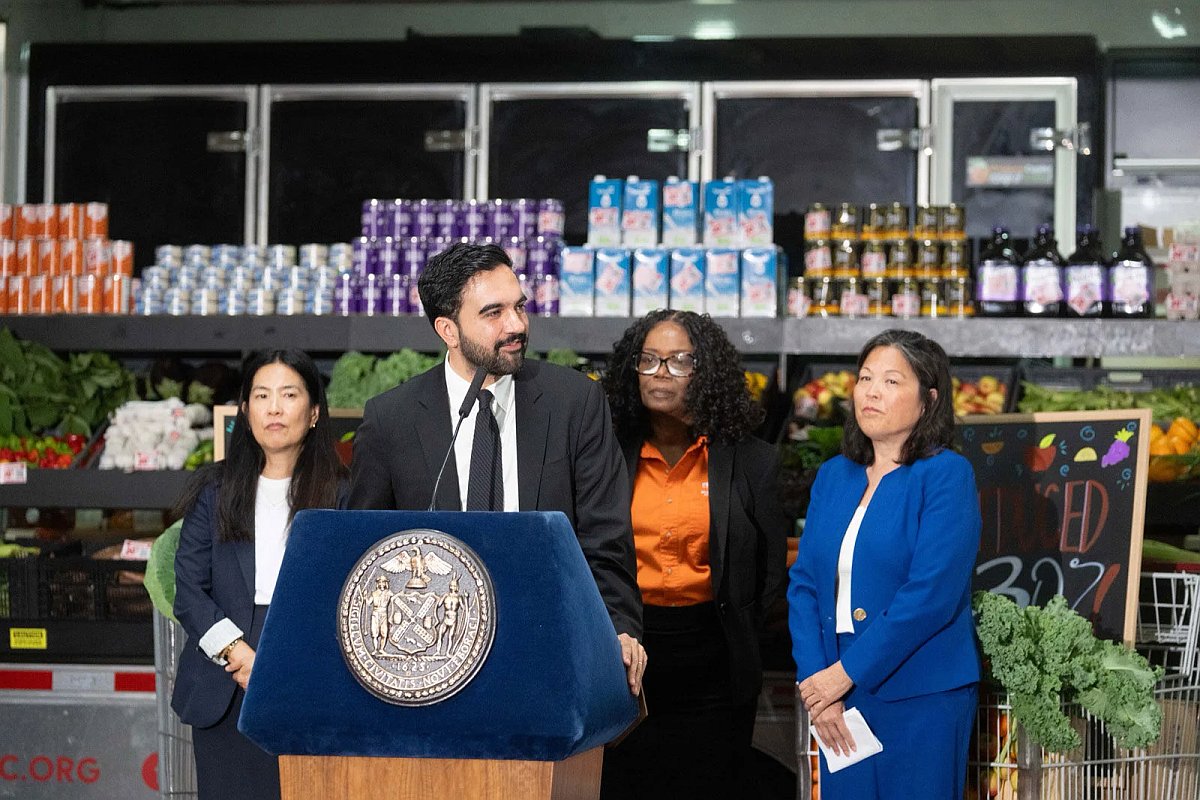
His plan for city owned grocery stores promises New Yorkers roughly 30 percent savings on essential items. Naturally, reporters wanted to know how the city would stop people from gaming the system. What’s to prevent someone from buying heavily discounted groceries and turning around to resell them?
The answer came from New York City Economic Development Corporation President Jeanny Pak. The city, she explained, is looking at something “library card-esque” to make sure the program is focused on New Yorkers and to manage who is buying the discounted food.
Translation? If you want taxpayer subsidized groceries, expect to prove who you are.
In one exchange, Mamdani exposed one of the biggest contradictions in progressive politics.
For years, the left has argued that asking voters to show identification at the ballot box is an unacceptable burden. We’ve been told it discourages participation, creates barriers, and solves a problem that supposedly doesn’t exist.
But ask for ID before someone buys discounted bananas? Suddenly identification is just common sense. The irony isn’t subtle.
Mamdani isn’t wrong to want safeguards. If taxpayers are funding below market grocery prices, the city has every reason to make sure the program isn’t abused. It doesn’t want people clearing shelves, reselling products, or taking advantage of benefits meant for New Yorkers.
That’s called protecting the integrity of a government program. Conservatives (and other sane people) have been making that same argument about elections for years.
President Trump wasted little time pointing out the contradiction, saying he wished New York required identification “to access the voting booth.” Elon Musk piled on, calling the situation “too much” irony. The criticism landed because it wasn’t complicated. If identity matters when government hands out discounted groceries, why doesn’t it matter when government counts votes?
That question has never received a convincing answer. Progressives insist voting is different because it’s a constitutional right, so no ID should be required, but that argument is merely an excuse for fraud. The bearing arms is a constitutional right but the same progressives love background checks, waiting periods, and twelve forms of ID just to buy a shotgun.
You can’t board an airplane without proving who you are. You can’t cash a check at most banks without identification. You can’t collect many government benefits without verifying your identity. In countless parts of everyday life, Americans are expected to prove they are who they say they are.
Yet somehow the one place where identity becomes controversial is the ballot box. That makes zero sense. The grocery store proposal accidentally exposes why.
When progressives believe a system needs public confidence, they support verification. When they worry people might exploit taxpayer funded food programs, they look for ways to confirm eligibility. They understand that rules discourage abuse and reassure honest participants that the system is being administered fairly.
Why should elections operate under a lower standard?
That doesn’t mean every voter ID proposal is perfect. States can debate what forms of identification should qualify and how to make them readily available. Those are legitimate policy questions.
The larger principle is harder to escape. Government either has a legitimate interest in verifying identity or it doesn’t. Mamdani has already answered that question. He believes verification is reasonable when public resources are involved.
Most Americans simply believe casting a ballot deserves at least the same level of protection as buying government subsidized groceries.
If showing an ID is common sense before buying discounted bananas, it’s difficult to argue it’s an assault on democracy before choosing the next President of the United States.