
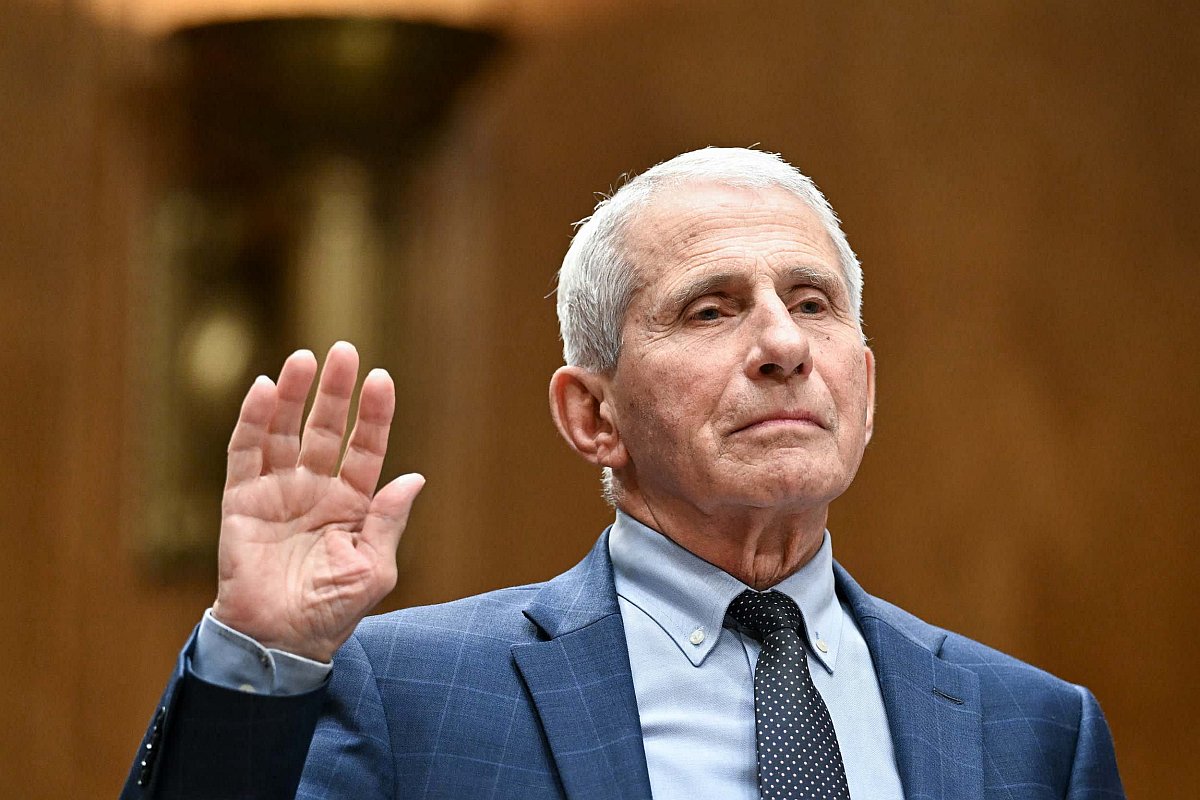
Anthony Fauci spent years asking Americans to trust him.
Trust the science. Trust the experts. Trust that the unprecedented restrictions placed on everyday life were necessary because public health officials were acting on the best information available. Whether Americans agreed with every recommendation or not, few would argue Fauci became one of the most influential unelected officials in modern history. His guidance shaped White House policy, influenced governors, affected military and corporate vaccine requirements, helped determine when schools reopened, and reached into nearly every corner of American life.
That kind of authority doesn’t disappear when the emergency ends. If anything, it demands a full accounting once the crisis has passed.
That’s what Wednesday’s Senate hearing was supposed to accomplish, though it went as expected considering Fauci’s historic reluctance to be forthcoming about his COVID activities.
Appearing before the Senate Homeland Security and Governmental Affairs Committee, Fauci repeatedly invoked his Fifth Amendment right against self incrimination as Sen. Rand Paul questioned him about COVID 19, federal funding for coronavirus research, internal government communications, and records that have surfaced since the pandemic. According to Reuters, Fauci declined to answer roughly 15 questions after saying he feared politically motivated prosecution despite having received a presidential pardon for crimes he may or may not have commited.
The headlines will focus on Fauci pleading the Fifth. That’s the easy story. The more important question is why Congress is still asking these questions six years after COVID changed the country.
The answer isn’t difficult to find.
Congressional investigators didn’t wake up one morning and decide to drag Fauci back to Capitol Hill. Over the last several years they have collected hundreds of thousands of pages of documents, obtained internal emails through Freedom of Information Act requests, interviewed witnesses, reviewed agency communications, and compared public statements with what officials were saying behind closed doors. As additional records became public, so did additional questions.
Some of those questions center on the government’s early handling of the lab leak theory, communications between federal officials and outside scientists, and whether public messaging always reflected the level of uncertainty being discussed privately. Other questions involve pandemic decision making that affected schools, businesses, churches, travel, and vaccine policy. Congress may not like every answer it receives, but it would be failing its oversight responsibility if it stopped asking simply because the witness is well known.
That’s where many Fauci defenders miss the point.
This hearing was never really about whether Fauci committed a crime. If prosecutors believe one occurred, they’ll make that determination, and they should. Congress has a different job. Its responsibility is to determine how government decisions were made, whether the public received accurate information, and whether mistakes that affected millions of Americans should be repeated in the future.
Those are not partisan questions, they’re basic oversight questions to an official using his government title and resources to build his personal wealth and trophy chest.
They’re the kinds of questions Congress is supposed to ask after one of the largest expansions of government authority in modern history.
Fauci was entirely within his constitutional rights to invoke the Fifth Amendment. No one should argue otherwise. But legal rights do not erase accountability. Americans can acknowledge one without abandoning the other.
During the pandemic, Americans weren’t simply asked to follow medical advice. They were asked to reorganize their lives around it. Children spent months out of classrooms. Small businesses disappeared. Families postponed weddings, funerals, and graduations. Workers lost jobs over vaccine requirements. Entire industries operated under rules shaped, directly or indirectly, by federal public health guidance at the hands of Fauci
Those decisions deserve scrutiny not because they were unpopular with some people, but because they were unprecedented and often entirely outside the bounds of common sense and scientific understanding.
Washington often talks about defending democratic institutions. Congressional oversight is one of those institutions. It shouldn’t matter whether the witness is a Republican cabinet secretary, a Democratic adviser, or the country’s most recognizable public health official. When new documents surface, investigators ask new questions. That’s how oversight has always worked.
Critics dismiss hearings like this as political theater. That’s an easy line, but it ignores how congressional investigations actually function. Watergate wasn’t solved in one hearing. Neither was Iran Contra. Major investigations unfold over months and years as witnesses testify, documents emerge, and earlier statements are measured against a growing factual record. The COVID response should be no different and the investigation into Fauci should continue.
Fauci’s backers often point out that he has already testified before Congress, but so what? That’s true. He spent hours before the House Select Subcommittee on the Coronavirus Pandemic in 2024 answering questions about gain of function research, masking guidance, social distancing, and vaccine policy. But previous testimony doesn’t grant immunity from future oversight when new information is revealed. If unearthed records raise legitimate questions, Congress has every right to bring a witness back.
The more power government officials exercise over the lives of ordinary Americans, the greater their obligation to explain how they used it. Fauci asked the public to place enormous trust in his judgment during one of the most disruptive periods in modern American history. Years later, Congress asked him to explain those decisions.
Those weren’t unfair questions, they were overdue, and Fauci needs to face the reckoning.