
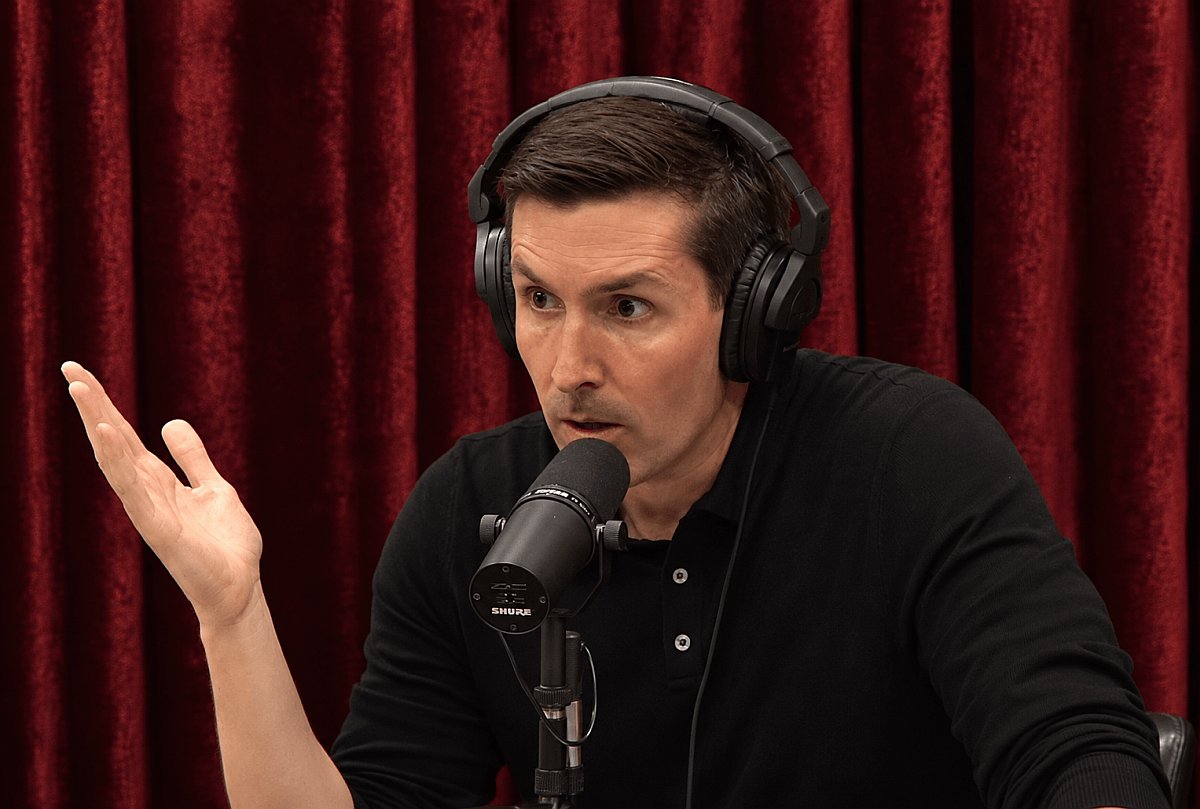
A bitter fight inside Donald Trump’s former health coalition spilled into public view over the weekend after Calley Means used a lengthy appearance on Joe Rogan’s podcast to accuse senior White House advisers of blocking parts of the Make America Healthy Again (MAHA) agenda and catering to powerful corporate interests.
Means, a former senior adviser to Health Secretary Robert F. Kennedy Jr. who resigned from the administration last month, singled out former White House chief of staff Susie Wiles, political adviser James Blair and other officials. He alleged that policy decisions involving food, pesticides, vaping and other health issues were repeatedly softened or delayed because of political fundraising concerns and pressure from industries that MAHA supporters had expected the administration to challenge. The Washington Post first detailed many of the allegations after the Rogan episode was released.
Several of the officials Means named have denied his claims. Blair said he had no role in fundraising and disputed Means’ account of the policy fights, while Trump pollster Tony Fabrizio called allegations that he was compromised by pharmaceutical interests “ridiculous” and “demonstrably false.” Means has said he welcomes factual corrections and has continued repeating the allegations publicly.
Means Says MAHA Was Being Blocked From Inside
Means’ central argument is that Trump campaigned on taking on entrenched interests in Washington, but that some of the same industries targeted by the MAHA movement ended up retaining influence over policy once the administration took office.
On Rogan, Means accused Wiles of maintaining a tight grip over policy decisions and said one proposed food initiative was blocked because of concern about losing support from the sugar industry. He also criticized administration officials over flavored vaping products, pesticides and delays surrounding a federal definition of ultra-processed food. Axios reported that Means said he resigned after becoming convinced that a small group inside the administration was acting against the wishes of voters who had supported the MAHA agenda.
The feud escalated again Sunday when Means appeared on CBS’s Face the Nation. Asked whether he intended his public criticism to help remove Wiles from her job, Means answered yes. Wiles had submitted her resignation Thursday night, and Trump announced Stephen Miller as her replacement Friday afternoon. Means said he did not know whether his Rogan appearance influenced Trump’s decision. CBS transcript.
MAHA Frustration Had Been Building for Months
Means’ criticism did not appear out of nowhere. Frustration had been growing inside the MAHA movement well before the midterms, particularly over pesticides, ultra-processed foods and the pace of regulatory changes promised during the 2024 campaign.
One of the biggest flashpoints has been glyphosate, the active ingredient in Roundup. Many MAHA activists expected the administration to move toward tighter restrictions, but Trump instead signed an executive order encouraging domestic production of glyphosate-based herbicides, while the EPA approved or expanded the use of several other pesticides. Washington Post reporting over the summer documented growing anger among farmers and health activists who had expected Kennedy’s rise to produce a very different approach.
Food policy has produced similar complaints. The administration did issue new dietary guidelines and pushed food companies to reduce some artificial ingredients, but several broader promises have stalled. A federal definition of ultra-processed food has been delayed, proposed school-meal rules involving sugar were shelved, and efforts to remove petroleum-based food dyes remain largely voluntary.
NPR’s pre-election review of the MAHA agenda described the record as mixed. Supporters credited Kennedy with changing dietary guidelines and putting chronic disease at the center of federal health policy, but activists focused on pesticides and environmental chemicals said the administration had moved in the opposite direction on some of their biggest priorities. NPR review.
The Broken-Promise List Has Become a Political Problem
Some MAHA activists have gone much further than Means. A scorecard released before the election examined 42 promises made by Trump, Kennedy and other MAHA leaders and rated 37 as broken, five as partially fulfilled and none as fully completed. The White House disputes that characterization, but the document reflects how deeply frustrated parts of the coalition had become. Ars Technica reviewed the scorecard after the election.
The White House has defended its record, pointing to changes in dietary guidance, efforts to remove artificial ingredients, SNAP restrictions on sugary drinks in some states, regenerative agriculture initiatives and greater scrutiny of chronic disease. HHS has also rejected claims that Kennedy’s food agenda was deliberately stalled.
Still, the political timing is difficult to ignore. Republicans suffered major losses in the midterms, several MAHA-aligned candidates were defeated, and activists who helped build the Trump-Kennedy coalition are openly arguing that the administration failed to deliver enough of what they were promised.
A Feud With Legal Threats
The dispute is now personal as well as political. Blair has threatened legal action over Means’ accusations, while Means has said he would welcome litigation if it allows him to obtain communications about lobbying and policy decisions. The Wall Street Journal reported that former Trump aides were trading accusations and legal threats as the post-election blame game intensified.
Kennedy, notably, has not joined Means in attacking Wiles. He publicly thanked her after her departure and praised her leadership. At the same time, Kennedy has spoken favorably about Miller, whom Means portrayed as more sympathetic to the MAHA agenda.
That leaves the movement in an unusual position. MAHA helped bring Kennedy into Trump’s coalition in 2024 and gave the Republican ticket support from voters who did not fit neatly into the traditional GOP. Two years later, some of the people who built that alliance are now openly accusing one another of betraying it.
The Rogan interview is likely to keep that fight alive. Means spent more than two hours naming officials, describing internal policy battles and arguing that Trump had not always been fully aware of what was happening beneath him. The officials he accused say that account is false.
For a coalition built around taking on Washington’s entrenched interests, the argument has now become one over whether those interests ended up winning anyway.
Watch the full episode, Joe Rogan Experience #2578 with Calley Means, embedded below, and judge for yourself.